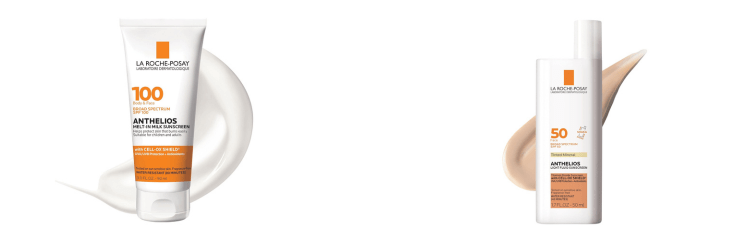
SPF 100 & SPF 50 share many similarities, but there are also important differences, such as quality and features. If you want the best one between them, I Would recommend the SPF 100 rather than the SPF 50.
Why Do I Recommend The SPF 100?
- The SPF 100 features a higher 99% UVB protection rating for minimizing the risk of sunburn during extended outdoor exposure, while the SPF 50 provides around 98% UVB coverage.
- SPF 100 includes up to 6 hours longer protection duration to reduce the need for frequent reapplication during high sun intensity, whereas the SPF 50 typically lasts around 4 hours.
- It comes with enhanced water and sweat resistance for maintaining coverage during swimming or heavy perspiration, while the SPF 50 provides moderate resistance.
- The SPF 100 features a thicker and more durable formula to withstand prolonged sun exposure in extreme UV environments, while the SPF 50 uses a lighter consistency.
- SPF 100 supports higher defense for extremely fair or UV-sensitive skin to prevent redness and irritation, whereas the SPF 50 is optimized for normal to medium skin tones.
- It includes more concentrated UV filters for stronger sun-blocking performance on beaches, snowfields, or deserts, while the SPF 50 relies on standard filter density for everyday protection.
- The SPF 100 comes with stronger UVA filtration in broad-spectrum versions to slow premature aging and reduce hyperpigmentation, while the SPF 50 has moderate UVA protection.
- SPF 100 features a denser protective film that maintains stability and coverage under prolonged exposure, whereas the SPF 50 forms a thinner layer.
Maybe the SPF 50 can make you comfortable because it’s a little bit cheaper than the SPF 100. But you have to compromise all the above-mentioned features. Now the Decision is Yours. I hope it was helpful to choose the right one.
Side By Side Comparison
| Feature | SPF 100 | SPF 50 |
| UVB Protection | ~99% | ~98% |
| Protection Duration | Up to 6 hours | Up to 4 hours |
| Reapplication Frequency | Every 3–4 hours | Every 2–3 hours |
| Formula Texture | Thick and heavy | Light and smooth |
| White Cast Visibility | More visible | Less visible |
| Skin Type Suitability | Extremely fair or sensitive skin | Fair to medium skin |
| Water Resistance | Higher | Moderate |
| Sweat Resistance | Strong | Moderate |
| Pore Clogging Potential | Higher | Lower |
| Ease of Removal | Harder to remove | Easier to cleanse |
| Price Range | Higher | Lower |
| Ideal Use Case | Long outdoor exposure | Daily routine protection |
| UVA Protection (Broad Spectrum) | Slightly stronger | Moderate |
| Typical Finish | Matte or thick film | Natural or lightweight |
| Consistency | Cream or sport-grade | Lotion or fluid |
| Risk of Overuse Misconception | Higher | Lower |
| Comfort Level on Skin | Heavier feel | More breathable |
| Best Weather Condition | Extreme UV environments | Regular sunlight |
| Residue After Application | More residue | Minimal residue |
| Price | Check SPF 100 Price | Check SPF 50 Price |
What Common Both Can Do?
- Broad Spectrum Protection: Both SPF 100 and SPF 50 sunscreens protect against UVA and UVB rays, helping prevent sunburn and long-term skin damage. This ensures comprehensive defense from both immediate and aging-related effects of sun exposure.
- UVB Protection: Each provides high UVB defense, significantly reducing the risk of burning even during extended outdoor activities. While the numbers differ, both deliver strong performance for most users.
- UVA Protection: Both include UVA-blocking agents to prevent premature skin aging, wrinkles, and deeper sun damage that occurs below the skin’s surface. This makes them suitable for daily use in all light conditions.
- Water Resistant Options: SPF 100 and SPF 50 formulations often include water-resistant versions, maintaining effectiveness during swimming, sweating, or humid weather. This is especially important for active lifestyles.
- Sweat Resistant: Each type includes sweat-resistant variants that remain effective during exercise or hot conditions. They protect skin stability even when perspiration increases.
- Dermatologist Tested: Both SPFs are commonly tested and approved by dermatologists, ensuring they meet safety and effectiveness standards for various skin types. This provides reassurance for sensitive-skin users.
- Non-Comedogenic Formulas: Many SPF 100 and SPF 50 sunscreens are formulated to avoid clogging pores, making them suitable for acne-prone or oily skin. This helps maintain clear skin while providing sun protection.
- Suitable for Face and Body: Both types can be applied to the face and body for full coverage protection. This versatility makes them convenient for everyday and outdoor use.
- Available in Lotion Form: Each SPF level comes in lotion form, which spreads easily across the skin. Lotion versions offer consistent coverage and hydration.
- Reef-Safe Variants: Modern formulations of both SPF 100 and SPF 50 are often made reef-safe, excluding harmful ingredients like oxybenzone and octinoxate. This makes them eco-friendly for beach and marine environments.
- Fragrance-Free Options: Both are available in fragrance-free forms, catering to users with sensitivities or allergies. This helps prevent irritation and ensures comfortable wear.
- Suitable for Sensitive Skin: Both SPFs are designed with gentle ingredients to protect without causing redness or itching. They are ideal for people prone to skin reactions.
- Contains Moisturizing Ingredients: Each sunscreen often includes moisturizing components such as glycerin or aloe vera. This helps prevent dryness caused by sun exposure.
- Provides Immediate Protection: SPF 100 and SPF 50 both begin protecting as soon as applied properly. This allows users to step into sunlight without long waiting periods.
- Requires Reapplication: Both need reapplication every few hours, especially after swimming or sweating. This maintains consistent protection throughout the day.
- Prevents Sunburn: Each effectively prevents sunburn, shielding the top layer of skin from harmful UVB rays. Regular use helps minimize painful redness and peeling.
- Reduces Skin Cancer Risk: Consistent use of both SPF levels reduces the likelihood of UV-induced skin cancers. This long-term benefit makes sun protection a vital skincare habit.
- Helps Prevent Premature Aging: Both sunscreens minimize the formation of fine lines, wrinkles, and dark spots by blocking UVA exposure. This contributes to healthier, youthful-looking skin.
- Can Be Used Under Makeup: Each SPF can be layered under makeup without compromising protection. Modern lightweight formulas prevent makeup breakdown or greasiness.
- Must Be Applied Generously: Both require a generous application to reach the labeled SPF level. Inadequate use drastically lowers their protective capacity.
Common Features
| Feature | SPF 100 | SPF 50 |
| Broad Spectrum Protection | Yes | Yes |
| UVB Protection | Yes | Yes |
| UVA Protection | Yes | Yes |
| Water Resistant Options | Yes | Yes |
| Sweat Resistant | Yes | Yes |
| Dermatologist Tested | Yes | Yes |
| Non-Comedogenic Formulas | Yes | Yes |
| Suitable for Face and Body | Yes | Yes |
| Available in Lotion Form | Yes | Yes |
| Reef-Safe Variants | Yes | Yes |
| Fragrance-Free Options | Yes | Yes |
| Suitable for Sensitive Skin | Yes | Yes |
| Contains Moisturizing Ingredients | Yes | Yes |
| Provides Immediate Protection | Yes | Yes |
| Requires Reapplication | Yes | Yes |
| Prevents Sunburn | Yes | Yes |
| Reduces Skin Cancer Risk | Yes | Yes |
| Helps Prevent Premature Aging | Yes | Yes |
| Can Be Used Under Makeup | Yes | Yes |
| Must Be Applied Generously | Yes | Yes |
| Price | Check SPF 100 Price | Check SPF 50 Price |
FAQ
What does SPF actually mean? Is SPF 100 twice as protective as SPF 50? Who should use SPF 100 sunscreen? Is SPF 50 enough for daily use? Do both SPF 100 and SPF 50 protect against UVA rays? How often should I reapply sunscreen? Can I wear SPF 100 or SPF 50 under makeup? Do I still need sunscreen on cloudy days? Can SPF prevent tanning completely? Are both SPF 100 and SPF 50 safe for sensitive skin? Do I need a higher SPF if I have darker skin? Does sunscreen expire? Is SPF 100 more water-resistant than SPF 50? Can sunscreen replace moisturizer? Which is better for everyday use: SPF 100 or SPF 50? |